The Anatomical Structure and Function of the Eye
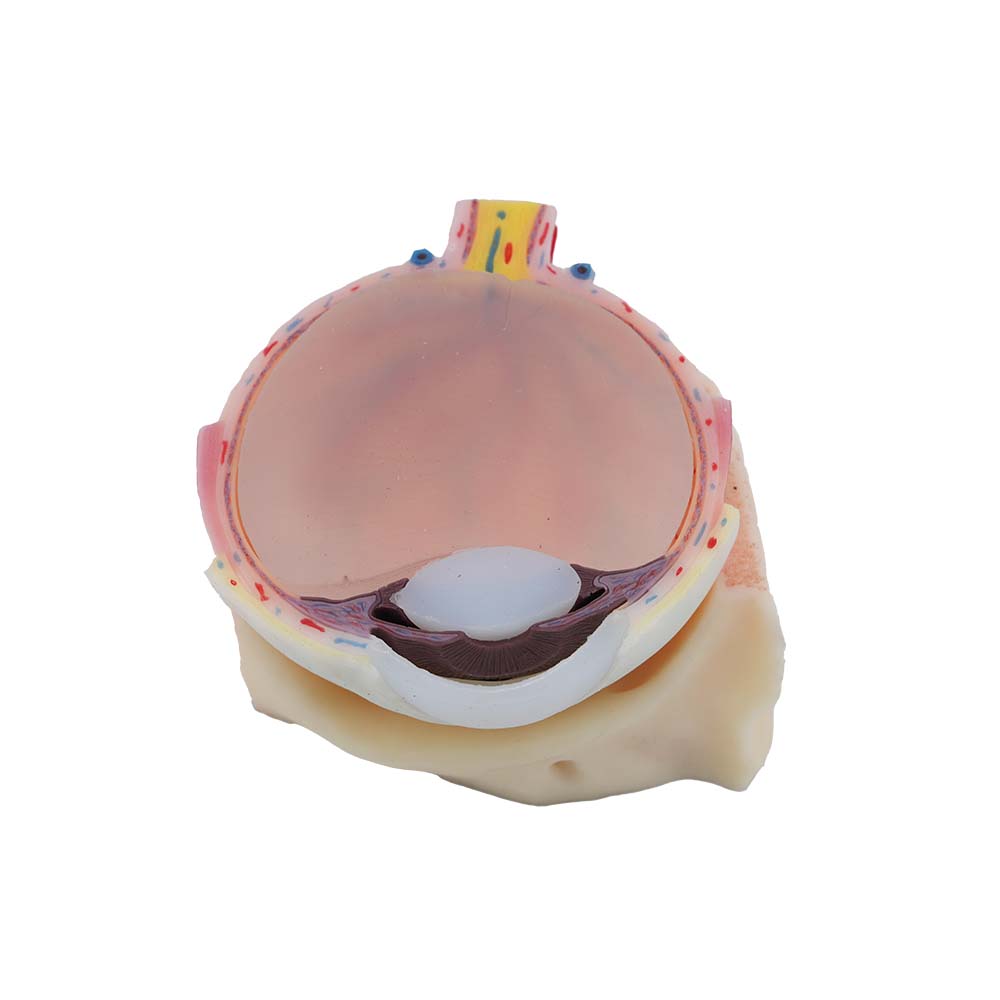
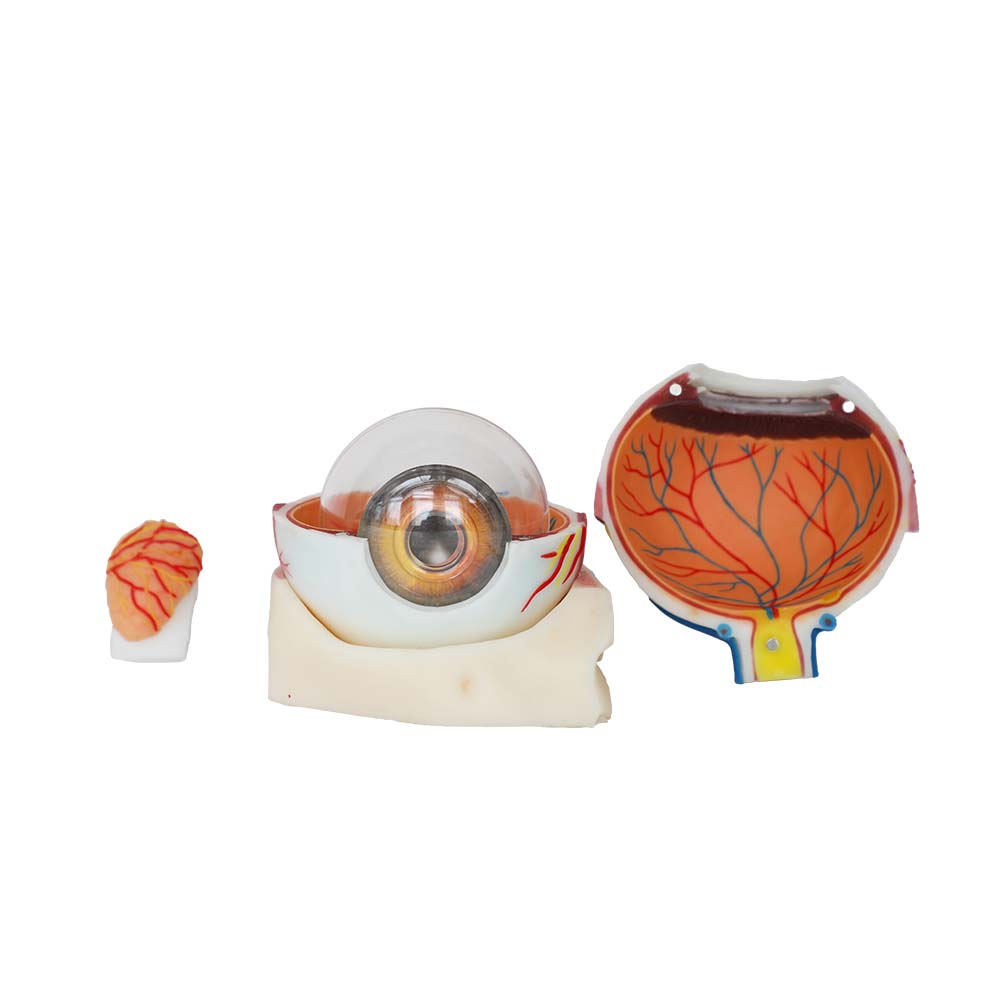
The eye is like an extremely sophisticated camera, with each structure performing its function and working together to present us with a colorful world. From the eye anatomical model, we can clearly see:
The cornea is located at the front of the eyeball, like the lens of a camera. It is the first barrier for light entering the eye, responsible for refracting light so that it can be accurately focused on the retina.
The iris and pupil are like the aperture of a camera. By adjusting the size of the pupil, the amount of light entering the eye is controlled. In bright environments, the pupil constricts to reduce light intake; in dim environments, the pupil dilates to allow more light to enter the eye.
The lens, similar to a camera's zoom lens, relies on the contraction and relaxation of the ciliary muscle to change its shape, thus achieving clear focusing on objects at different distances. When viewing near objects, the ciliary muscle contracts, the lens becomes more convex, and its refractive power increases; when viewing distant objects, the ciliary muscle relaxes, the lens becomes thinner, and its refractive power decreases.
The retina, like the film in a camera, is covered with numerous photoreceptor cells (cone cells and rod cells) that convert light into nerve impulses, which are then transmitted to the brain via the optic nerve, ultimately forming vision.
The eye's ability to adapt to light depends primarily on the iris adjusting the size of the pupil and the retina's response to different light intensities. However, prolonged use of the eyes in bright or dim light environments can lead to eye fatigue, decreased vision, and other eye diseases.
Playing on a phone while lying down vs. playing on a phone in the dark
When playing on a phone while lying down, the distance between the screen and the eyes is often less than 30 centimeters, far below the recommended 40-50 centimeters. Using your eyes at extremely close range causes the ciliary muscle to contract continuously and intensely, easily leading to eye strain, blurred vision, eye pain, headaches, and even "pseudomyopia." Prolonged excessive accommodation alters the eye's imaging mechanism, causing axial elongation and resulting in true myopia, especially impacting the visual development of adolescents. Simultaneously, lying on your side or back results in different viewing distances between the eyes and the screen, disrupting the balance of accommodation and convergence, easily inducing strabismus and anisometropia, affecting visual development and binocular vision, and in severe cases, amblyopia. Furthermore, lying down affects normal blinking and meibomian gland function, reducing tear secretion, disrupting tear film stability, causing dry and tired eyes, and even developing into dry eye syndrome or meibomian gland dysfunction.
Using your phone in the dark is equally dangerous. The bright light from a phone screen in the dark is dazzling, and the dilated pupil allows a large amount of light to directly hit the macula of the retina, increasing the metabolic burden and causing blurred and distorted vision. Over time, this can lead to macular degeneration and affect central vision. Furthermore, pupil dilation narrows the anterior chamber angle, obstructing aqueous humor outflow and increasing intraocular pressure. For high-risk individuals, this can trigger an acute glaucoma attack, potentially leading to blindness if left untreated.
The harm of using a mobile phone in the dark is more direct and irreversible. Especially in low-light environments, the phototoxicity of blue light to the macula far exceeds the effect of posture; however, when both are combined (e.g., using a mobile phone while lying on your side in the dark), the harm increases exponentially.
How to Use a Mobile Phone Correctly? Scientific Protection Recommendations
Based on analysis of ocular anatomy models, the key to protecting your eyes lies in reasonable eye habits, especially when using a mobile phone. Here are some suggestions to help you protect your eye health while enjoying your digital life.
Maintain the correct posture and distance. When looking at a mobile phone, the eyes need to adjust their focusing, especially when using the phone at close range, requiring the ciliary muscle to constantly contract and adjust. To reduce fatigue, it is recommended to keep the phone 30-40 cm (about an arm's length) away from your eyes. If you want to use your phone while lying down, it's recommended to lie on your back and hold the phone at eye level to avoid excessive adjustment that can lead to eye muscle fatigue and reduce the burden on your eyes and neck.
Prolonged use of your eyes keeps the ciliary muscles in a state of tension for extended periods, increasing accommodative fatigue. To avoid excessive eye strain, take a 5-10 minute break after every 30-40 minutes of phone use. Look at distant objects, utilizing the retina's adaptation to different distances to help your eyes relax fully. Massaging around your eyes with your eyes closed can promote blood circulation and relieve eye strain.
Adjust screen brightness and ambient light. Looking at your phone in the dark requires the pupils to dilate significantly to adapt to low light, which overstimulates the photoreceptor cells and can easily lead to eye discomfort. It's recommended to turn on "eye protection mode" or "night mode," and adjust the screen brightness and color temperature to reduce eye strain. Also, turn on a soft backlight to reduce the contrast between the screen and ambient light, thus protecting the retina from overstimulation.
By making these detailed adjustments, we can help keep your eyes in better condition when using your phone, reduce eye strain, protect eye health, and prevent vision loss.