
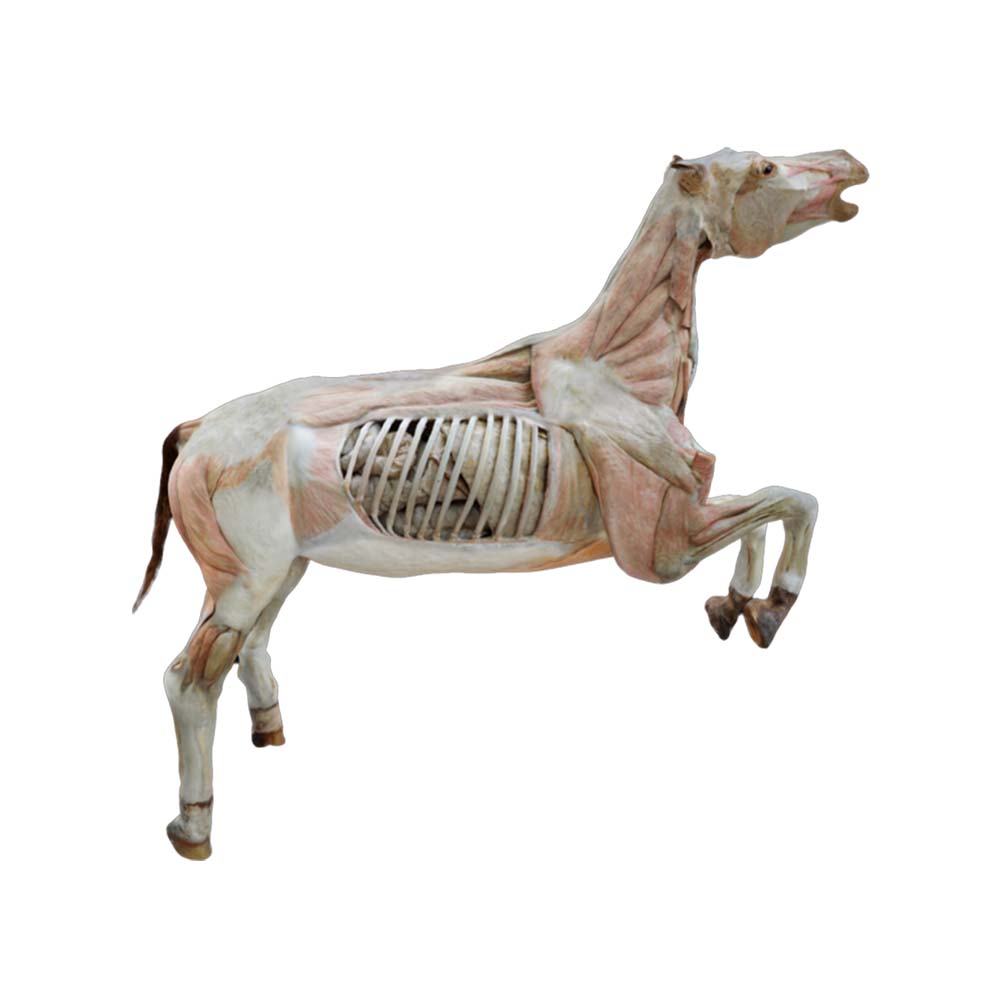
The lifelike animal specimens in natural history museums and veterinary science museums are indistinguishable from real animals. The texture of muscles and the expressions of movement are vividly realistic, as if transporting us into a vibrant natural world.
The fur specimens in veterinary school science museums showcase the delicate texture of animal skin and the feel of fur, making it seem as if we can touch the animals' vitality and life. So, how are these specimens made and preserved from decay? The answer lies in the sophisticated technique of plastination.
Creating a complete plastinated animal specimen involves several meticulous steps, including formalin perfusion for fixation and sterilization, and a meticulous dissection process to remove fat and expose deep physiological structures such as nerves, muscles, and internal organs. This process requires not only time and patience but also exquisite skills and a profound respect for life.
After dehydration and degreasing, reactive plastics, such as silicone rubber, epoxy resin, or polymer resin, are used to replace the acetone in the specimen. This step is crucial because it not only eliminates the specimen's toxicity but also ensures its long-term preservation. After this treatment, the specimen becomes non-toxic and odorless, making it safe for teaching and exhibitions, providing a healthier and more environmentally friendly viewing environment.
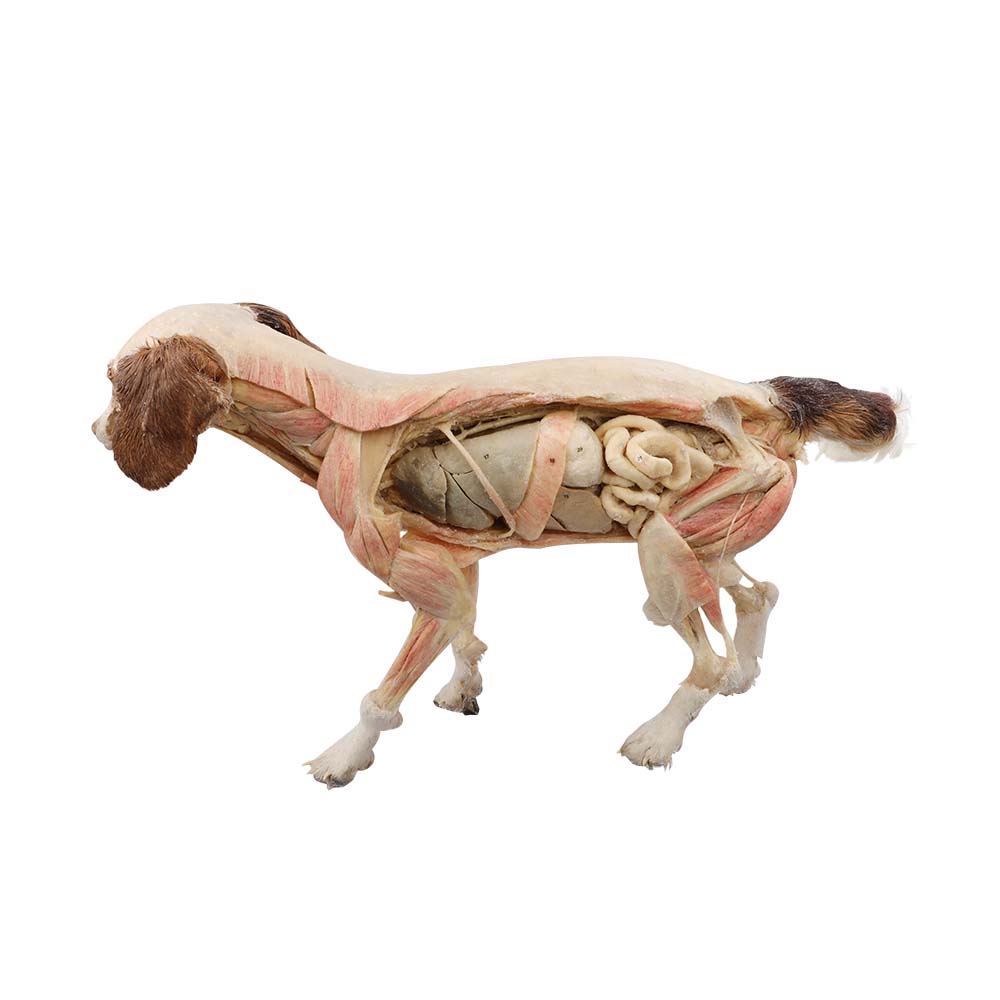
Animal plastinated specimens, with their intricate structures, have wide applications in various fields such as veterinary anatomy, veterinary pathology, and veterinary medicine.

