
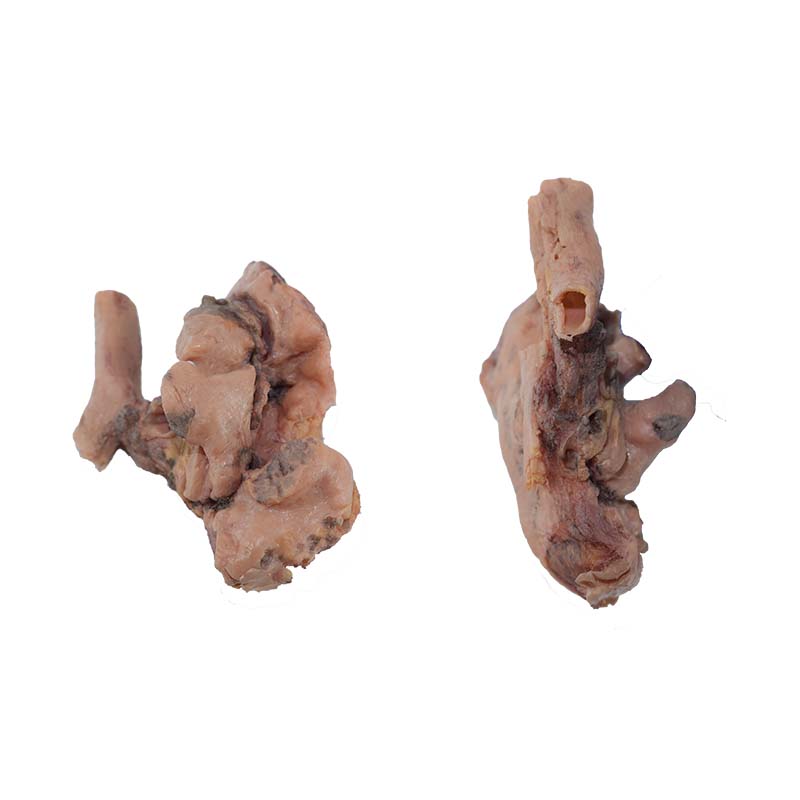
Because highly realistic pathological models are made of food-grade soft silicone material, they contain no toxic or harmful substances and can be used directly in ordinary classrooms. Therefore, they can help medical students understand changes in the pathological conditions of human anatomical structures more intuitively, providing a more realistic learning experience than traditional books, images, and videos.
Pathological models can be used for teaching and training in medical schools and hospitals. By observing and analyzing pathological models, medical students and healthcare professionals can learn to identify disease characteristics, improving diagnostic abilities and treatment levels.
Highly realistic pathological models can be used for preoperative preparation. Doctors can use the models to understand the patient's anatomical structures in detail, including organ location, blood vessel distribution, and organ abnormalities. This helps doctors develop more precise surgical plans, reduce surgical risks, and increase surgical success rates.
Highly realistic pathological models explain disease conditions, surgical plans, postoperative symptoms, and treatment options to patients, enabling them to better understand their condition and treatment plans, thereby improving patient cooperation. This visualization tool enhances patients' health knowledge, makes it easier for them to understand complex medical information, strengthens doctor-patient communication, and promotes communication and collaborative decision-making between patients and doctors.
Highly realistic pathological models simulate the structure, function, and pathological changes of real biological tissues. They provide medical students and professionals with safe, realistic, and controllable pathological experimental products, improving the effectiveness of medical education and clinical training, promoting the development of medical research, and also helping to improve doctor-patient communication. They have broad application prospects and significant practical value.
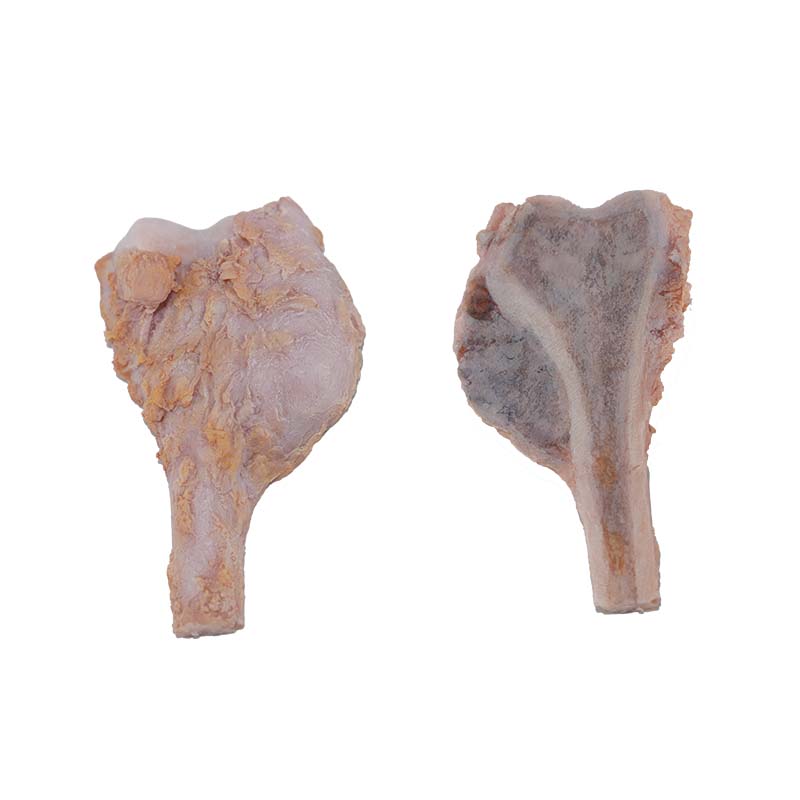
Meiwo Science specializes in the production and sales of highly realistic anatomical models, primarily including soft plastic human models, highly realistic models, and PVC models. These products have several important features and advantages, including accurate anatomical landmarks, lifelike morphology, aesthetically pleasing appearance, durability, non-toxicity, odorlessness, impact resistance, and easy assembly/disassembly. Furthermore, Meiwo Science models are equipped with digitization capabilities, allowing users to scan QR codes for online viewing and learning. Meiwo Science's medical models not only meet the diverse needs of medical education and clinical practice, but they also help medical students better understand human structure and function, improve clinical skills, and advance medical research.

